

There are several ways to use your website to attract new customers and increase sales, including:
1. Optimize for search engines: Ensure that your website is optimized for search engines using techniques such as keyword research, on-page optimization, and backlinking. This will help your website rank higher in search engine results pages and attract more organic traffic.
2. Provide valuable content: Offer informative, high-quality content that provides value to your target audience. This will help to establish your brand as an authority in your industry and attract more visitors to your site.
3. Enhance user experience: Make sure your website is easy to navigate and has a clean, attractive design. Focus on improving page load speed and mobile responsiveness to provide a seamless user experience.
4. Offer special promotions and discounts: Use your website to offer special promotions and discounts to attract new customers and incentivize repeat purchases.
5. Utilize social proof: Include customer reviews, testimonials, and social media followers on your website to increase trust and credibility.
6. Make it easy to purchase: Streamline the checkout process and make it easy for customers to purchase products or services directly from your website.
7. Implement email marketing: Use email marketing to nurture leads and keep in touch with customers, offering them exclusive promotions and updates on new products or services.
By using these strategies, you can use your website to attract new customers and increase sales. Additionally, regularly analyzing and refining your website’s performance through tools such as Google Analytics can help you to identify areas for improvement and optimize your website for better results.
What is Website Optimization and How Can it Help You Get More Customers?
Website optimization refers to the process of improving various aspects of a website to increase its visibility, user experience, and overall performance. The goal of website optimization is to make a website more attractive and easier to use for both search engines and users, so that it can rank higher in search engine results pages (SERPs) and attract more organic traffic.
Some common techniques used in website optimization include:
1. On-page optimization: This involves optimizing individual web pages, including elements such as the page title, meta descriptions, headings, and content.
2. Search engine optimization (SEO): This involves optimizing a website to rank higher in search engines such as Google, Bing, and Yahoo. This can be done through techniques such as keyword research and analysis, backlinking, and improving website structure and content.
3. User experience (UX) optimization: This involves improving the overall experience of a website for users, including factors such as page load speed, mobile responsiveness, and ease of navigation.
By implementing these and other optimization techniques, a website can become more visible and appealing to both search engines and users, resulting in increased organic traffic and potentially more customers. By attracting more targeted and relevant traffic, a website can improve its conversion rate and generate more leads and sales.
Therefore, website optimization is an important aspect of digital marketing that can help businesses to reach more potential customers and increase their online visibility and credibility.

5 Steps for Optimizing Your Website to Attract More Customers
Here are five steps you can follow to optimize your website and attract more customers:
1. Conduct a comprehensive website audit: Start by reviewing your website’s structure, content, and design to identify areas for improvement. Use tools like Google Analytics to track your website’s performance and identify areas for optimization.
2. Improve your website’s search engine optimization (SEO): Make sure your website is optimized for search engines by conducting keyword research, improving on-page optimization, and building high-quality backlinks.
3. Enhance user experience: Make your website user-friendly and easy to navigate. Focus on improving page load speed, mobile responsiveness, and overall design.
4. Offer valuable, high-quality content: Provide your target audience with informative, relevant, and valuable content to establish your brand as an authority in your industry and attract more organic traffic.
5. Utilize social proof: Display customer reviews, testimonials, and social media followers on your website to increase trust and credibility.
By following these steps, you can optimize your website and improve its visibility, user experience, and overall performance. Additionally, regularly analyzing and refining your website’s performance will help you identify areas for improvement and continuously attract more customers.
How to Improve UX on Your Website to Create a Positive Customer Experience
Improving user experience (UX) on your website can create a positive customer experience, leading to increased engagement and conversions. Here are some steps you can take to improve UX on your website:
1. Make navigation intuitive: Ensure that your website’s navigation is clear and easy to use. Organize your content into categories and subcategories and provide clear labeling for each page.
2. Improve page load speed: Long page load times can lead to high bounce rates and negatively impact the customer experience. Optimize images, reduce file sizes, and use a fast and reliable hosting provider to improve page load speed.
3. Optimize for mobile devices: With more and more users accessing websites on mobile devices, it’s important to ensure your website is optimized for mobile. This includes ensuring a responsive design, large text and buttons for easy touch navigation, and fast page load speed.
4. Provide clear calls-to-action (CTAs): Make it easy for users to take action on your website by providing clear and prominent CTAs. This could include signing up for a newsletter, making a purchase, or downloading a resource.
5. Conduct user testing: Conducting user testing can help you identify areas for improvement in your website’s UX. Ask users to complete specific tasks on your site and gather feedback on their experience.
By taking these steps, you can improve the user experience on your website and create a positive customer experience. A great UX can lead to increased engagement, better conversion rates, and ultimately, more sales.
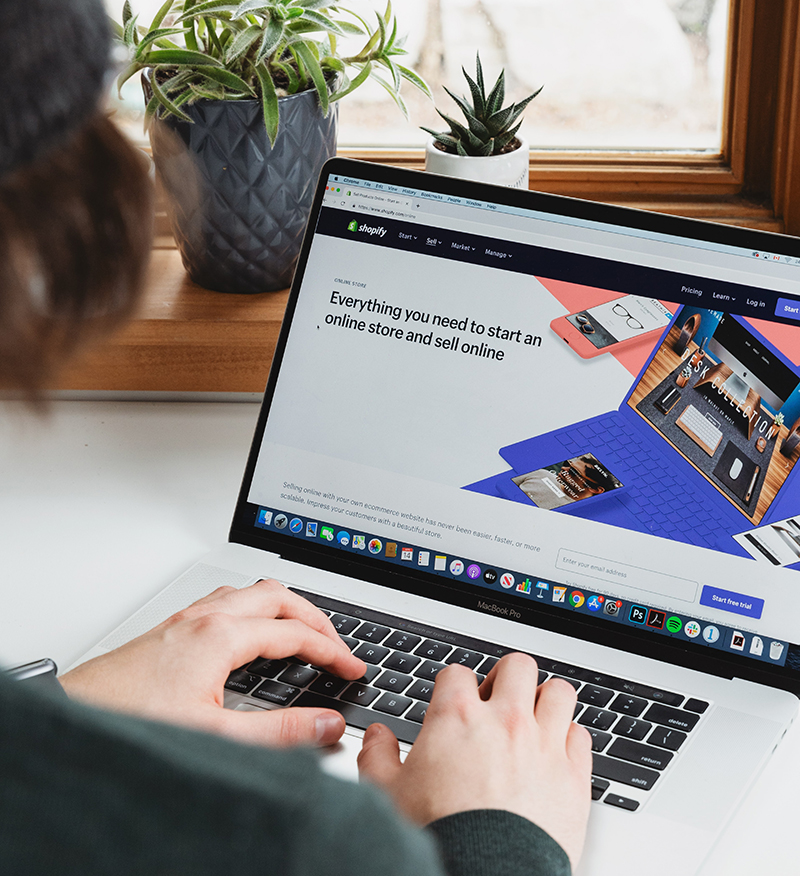
Tips for Designing an Effective Landing Page That Converts Visitors into Customers
Designing an effective landing page is crucial for converting visitors into customers. Here are some tips to help you design a landing page that converts:
1. Keep it simple and focused: A landing page should have a clear and concise message and should not distract visitors with irrelevant information. The goal is to get visitors to take a specific action, such as making a purchase or filling out a form.
2. Use clear and compelling headlines: A strong headline is essential for grabbing the attention of visitors and setting the tone for the rest of the page. Make sure your headline clearly communicates the value of your offer.
3. Make use of visuals: Visual elements, such as images and videos, can help to break up text and make the page more engaging. Use high-quality visuals that are relevant to your offer and support your message.
4. Include social proof: Including customer reviews, testimonials, and other forms of social proof can help to build trust and credibility with visitors. This can increase the chances of them making a purchase or taking another desired action.
5. Offer a clear and compelling call-to-action (CTA): A clear and compelling CTA is essential for converting visitors into customers. Make sure your CTA is prominently displayed and easy to find, and that it accurately reflects the action you want visitors to take.
6. Test and optimize: Regularly testing and optimizing your landing page can help you to continuously improve its performance. Use tools like A/B testing to experiment with different elements of your page and identify the most effective design.
By following these tips, you can design an effective landing page that converts visitors into customers. Remember, the goal of a landing page is to guide visitors towards taking a specific action, so make sure the page is focused, visually appealing, and includes clear calls-to-action.
The Importance of SEO and How It Can Help You Attract New Customers
Search engine optimization (SEO) is an important aspect of online marketing that helps businesses attract new customers by improving the visibility of their website in search engine results. Here’s why SEO is important and how it can help you attract new customers:
1. Increased visibility: SEO helps to improve the visibility of a website in search engine results, making it easier for potential customers to find your business online. This increased visibility can lead to increased traffic, which can then be converted into sales.
2. Improved user experience: SEO can also help to improve the overall user experience of a website, making it easier for visitors to find the information they need and increasing the likelihood of them taking a desired action, such as making a purchase.
3. Increased credibility: A well-optimized website can be seen as more credible and trustworthy, as search engines typically rank websites that are relevant, high-quality, and user-friendly higher in their results.
4. Long-term benefits: Unlike other forms of advertising, the benefits of SEO are long-lasting and sustainable. Once a website is optimized, the improved visibility and user experience can continue to drive traffic and sales for months and even years.
To maximize the benefits of SEO, it’s important to follow best practices, such as conducting keyword research, optimizing on-page elements, and building high-quality backlinks. Additionally, it’s important to regularly monitor your website’s performance and make adjustments as needed to ensure continued success.
By investing in SEO, you can help your website attract more organic traffic and convert more visitors into customers, ultimately leading to increased sales and revenue for your business.