
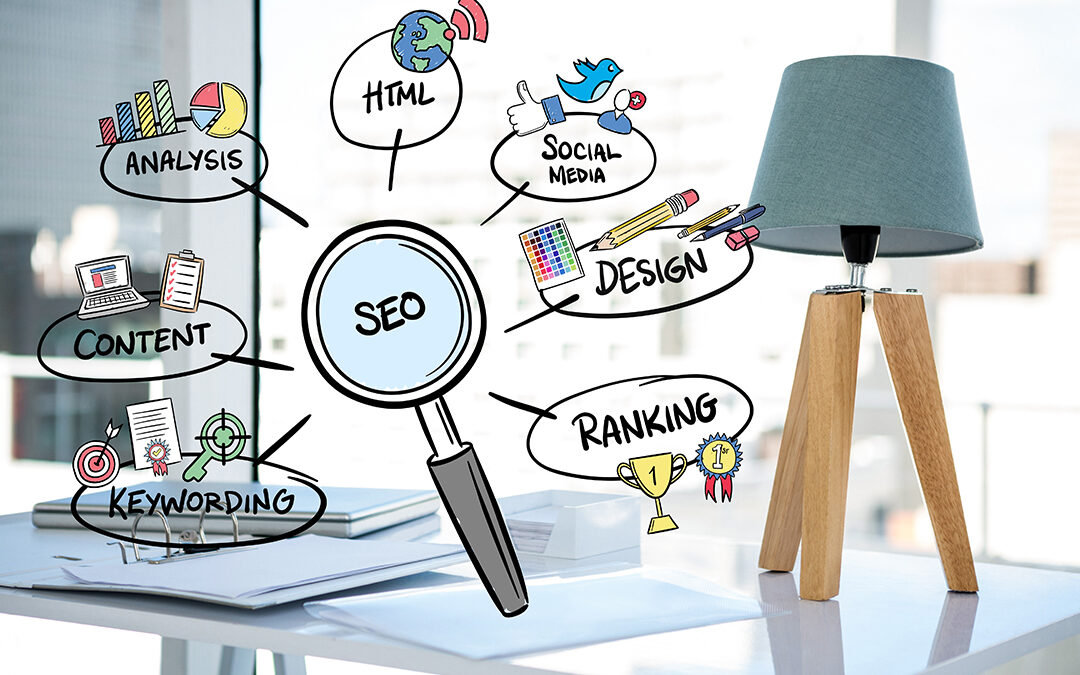
What is SEO and Why is it Important?
SEO, or search engine optimization, is the practice of optimizing a website or web page in order to increase the quantity and quality of traffic it receives from search engines, such as Google, Bing, or Yahoo.
SEO involves various techniques and strategies, such as keyword research, on-page optimization, off-page optimization, link building, content creation, and technical optimization, among others. These techniques are aimed at improving a website’s visibility, relevance, and credibility in search engines, as well as providing a better user experience to its visitors.
SEO is important for several reasons. First, it can help a website to rank higher in search engine results pages (SERPs), which can drive more organic traffic to the site. Second, it can help to attract more qualified leads, increase conversions, and ultimately boost revenue and ROI. Third, it can help to establish a website’s authority and credibility in its industry or niche, which can lead to more brand recognition and customer loyalty.
Overall, SEO is a critical component of any digital marketing strategy, as it can have a significant impact on a website’s visibility, traffic, and overall success.
How to Perform an SEO Audit on Your Website
Performing an SEO audit on your website can help identify areas of improvement and optimization opportunities to increase your website’s visibility and performance in search engines. Here are some steps you can take to conduct an SEO audit:
Conduct a website audit: Start by performing a comprehensive website audit to identify any technical issues, such as broken links, duplicate content, or crawl errors. You can use various website audit tools, such as Screaming Frog, SEMrush, or Ahrefs, to perform a complete website audit and get a detailed report.
Check your website speed: Website speed is a critical factor in SEO. Use a tool like Google PageSpeed Insights or GTmetrix to analyze your website’s speed and identify areas for improvement.
Analyze your website’s structure and content: Review your website’s structure and content to ensure it is user-friendly and optimized for search engines. Check that your website’s URL structure is optimized, your website has an XML sitemap, and that your content includes relevant keywords.
Check your website’s mobile-friendliness: With mobile devices becoming increasingly popular, it’s essential to ensure your website is optimized for mobile devices. You can use Google’s Mobile-Friendly Test tool to check your website’s mobile-friendliness and make necessary improvements.
Analyze your website’s backlinks: Backlinks are crucial for SEO, as they help to establish your website’s authority and credibility. Use a tool like Ahrefs or SEMrush to analyze your website’s backlinks and identify opportunities for improvement.
Review your website’s social media presence: Social media can also impact your website’s visibility in search engines. Ensure your website has a strong social media presence, with links to your social media profiles and shareable content.
Create an SEO audit checklist: After completing your SEO audit, create an SEO audit checklist to keep track of your website’s progress and ensure you’re implementing all necessary improvements.
Overall, conducting an SEO audit can help you identify areas of improvement and optimization opportunities to increase your website’s visibility, traffic, and performance in search engines.
5 Essential On-Page SEO Strategies for Higher Rankings
Here are five essential on-page SEO strategies that can help improve your website’s rankings in search engines:
Keyword research: Start by conducting keyword research to identify the keywords and phrases your target audience is searching for. You can use various keyword research tools, such as Google Keyword Planner, Ahrefs, or SEMrush, to find relevant keywords with high search volume and low competition.
Title tags and meta descriptions: Title tags and meta descriptions are crucial on-page SEO elements that help search engines and users understand what your page is about. Ensure your title tags and meta descriptions include your target keywords and accurately describe the content on your page.
Content optimization: Optimizing your website’s content can help improve its relevance and search engine rankings. Ensure your content includes relevant keywords and is optimized for readability, structure, and user engagement. Additionally, use header tags (H1, H2, H3, etc.) to break up your content into sections and make it easier to read.
Internal linking: Internal linking helps to establish a website’s hierarchy and can improve its search engine rankings. Ensure your pages are interlinked in a logical and natural way, using relevant anchor text to help search engines understand the content on your pages.
Image optimization: Images can significantly impact your website’s performance in search engines. Ensure your images are optimized for file size and include descriptive alt tags and file names that include your target keywords.
By implementing these on-page SEO strategies, you can improve your website’s relevance, visibility, and rankings in search engines, driving more traffic and leads to your website.

How to Implement Technical SEO Best Practices
Implementing technical SEO best practices is crucial to ensuring your website is optimized for search engines and providing a great user experience. Here are some key technical SEO strategies you can implement:
Optimize site structure: A well-organized website structure can help search engines understand the content and hierarchy of your website. Ensure your website has a clear and logical structure, with a main navigation menu, internal linking, and easy-to-use breadcrumbs.
Improve page speed: Page speed is a critical factor in SEO and user experience. Ensure your website is optimized for speed by compressing images, minimizing CSS and JavaScript files, and using a content delivery network (CDN).
Make your website mobile-friendly: With mobile devices becoming increasingly popular, it’s essential to ensure your website is optimized for mobile devices. Use responsive design and ensure your website’s content and images are easily accessible and load quickly on mobile devices.
Optimize for crawlability: Ensure search engines can easily crawl and index your website. Use a sitemap to help search engines understand your website’s structure and use robots.txt to block search engines from accessing sensitive or duplicate content.
Use schema markup: Schema markup can help search engines understand the content on your website and display rich snippets in search results. Implementing schema markup for your website’s content can improve its relevance and visibility in search engines.
Secure your website: A secure website is crucial for SEO and user trust. Use HTTPS encryption and ensure your website has a valid SSL certificate to protect user data and improve its search engine rankings.
By implementing these technical SEO best practices, you can improve your website’s crawlability, relevance, and user experience, leading to better search engine rankings, increased traffic, and improved ROI.
Off-Page SEO Strategies That Can Increase Traffic & Authority
Off-page SEO strategies refer to the activities that are performed outside of your website to improve its visibility, traffic, and authority in search engines. Here are three off-page SEO strategies that can increase traffic and authority:
Quality link building techniques: Link building is the process of acquiring high-quality backlinks to your website from other relevant websites. Backlinks are a crucial factor in SEO and can significantly impact your website’s rankings in search engines. You can use various link building techniques such as guest blogging, broken link building, and resource link building to acquire high-quality backlinks from authoritative websites in your niche.
Local citations: Local citations are mentions of your business name, address, and phone number (NAP) on other websites, such as local directories, review websites, and social media platforms. Local citations can improve your website’s visibility in local search results and help users find your business online. Ensure your NAP information is consistent across all local citations to avoid confusion and improve your website’s credibility.
Guest blogging: Guest blogging involves writing and publishing high-quality blog posts on other websites in your niche. Guest blogging can help you reach a new audience, build relationships with other bloggers in your industry, and acquire high-quality backlinks to your website. Ensure your guest blog posts provide value to the readers and are relevant to your niche to maximize the benefits of this strategy.
Start Optimizing Your Website Today to Unlock its Full Potential with SEO!
In today’s digital age, SEO is a critical component of any successful online business. By optimizing your website for search engines, you can improve its visibility, relevance, and authority in search results, leading to increased traffic, leads, and sales.
To unlock your website’s full potential with SEO, start by conducting an SEO audit to identify any technical or on-page SEO issues that need to be addressed. Use keyword research tools to identify relevant keywords and optimize your website’s content and structure to improve its relevance and search engine rankings.
Implement off-page SEO strategies such as quality link building, local citations, and guest blogging to increase your website’s authority and visibility in search results. Additionally, ensure your website is mobile-friendly, secure, and optimized for speed to provide a great user experience and improve its search engine rankings.
Overall, SEO is an ongoing process that requires regular updates and adjustments to stay ahead of the competition. By investing in SEO, you can improve your website’s performance and unlock its full potential in today’s digital marketplace.